So, did Morocco or Senegal win AFCON 2025?
A recap of Africa to the world, Home's latest Socializer
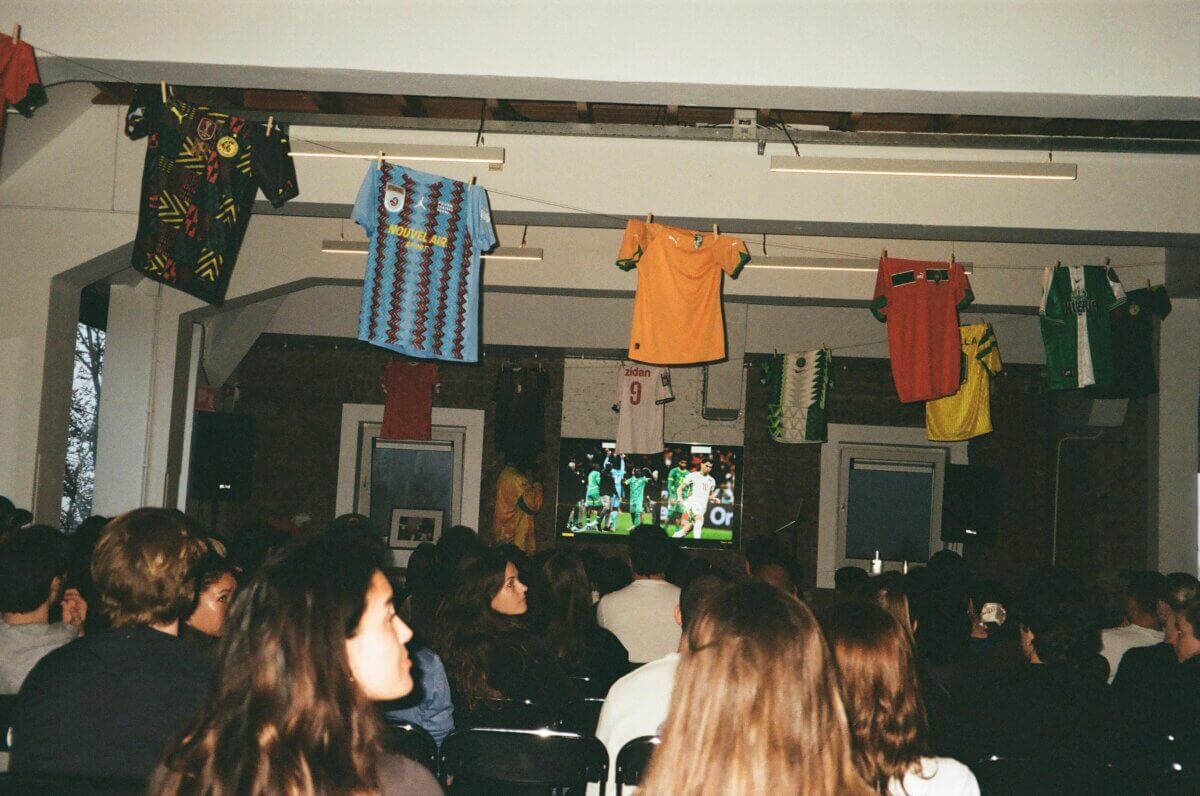
For years, the Africa Cup of Nations (AFCON) was one of the biggest sporting events in the world that most of the global audience simply didn’t know about. A missed opportunity, given that Africa has been one of the richest sources of culture in music, fashion and storytelling in recent times. For AFCON, this shift started with the 2023 edition in Ivory Coast, but had a real breakthrough with the 2025 edition in Morocco when the right people finally had a platform and something to say.
This was the starting point of our latest Socializer: Africa to the World. An evening where we talked about how a continental tournament became a global cultural moment, and what the creative industry and brands can learn from it.
Carried by the people
Supporters who couldn’t be in Morocco brought Morocco to their timelines. Communities in London, Paris and Amsterdam shared, created and carried the tournament across the world. The fastest growing fanbase wasn’t in the stadium. It was scattered across cities far beyond the continent, and it had been waiting for this moment for a long time.
In 2025, AFCON gave them something to build on. Personalised highlights, pan-African creators, a strategy rooted in the diaspora. The most powerful content came from people with a phone and a reason to share, because they felt the tournament was theirs. The result: 6.1 billion impressions and 285 million engagements across digital platforms.
This kind of reach it generates isn’t bought. It’s earned by showing up where culture already lives. Nike understood that with their Show Dem commercial, bringing together Jay-Jay Okocha, Ismaël Saibari, Rasheed Attai and Obafemi Martins in a celebration of African football that felt earned rather than manufactured. PUMA took it further by opening a court in Casablanca that drew creators from across the continent and the diaspora, turning a brand activation into a cultural meeting point. Kick ‘t Met, Ziggo’s football show on YouTube, was there to cover it. And nothing illustrated that more clearly than one moment that stopped the internet.
When context travels with the image
What made this possible was more than just reach or volume. It was a story that felt true to the people telling it. One of the clearest examples occurred when Michel Nkuka Mboladinga, a journalist from the Democratic Republic of Congo, stood in the stands for 90 minutes dressed as the independence hero Patrice Lumumba. The internet immediately ran with the image as people shared, explained, and debated its significance. A new generation learned a history lesson that no pundit could have scripted, because the image carried its own meaning. This kind of resonance grows from the inside out when a brand is built within culture and uses the visual languages of the people it belongs to.
When fans see themselves reflected in a story, they do more than just watch. They become part of it. Which begs the question…
Were the storytellers there all along?
The most powerful content of AFCON 2025 wasn’t made by brands or agencies. It was made by people from the continent and the diaspora, who brought their own history, pride and perspective to every post, video and moment they shared. That’s exactly why it landed the way it did.
For brands and agencies, there’s both a lesson and an opportunity. The storytellers are already there. It’s about finding them, building real relationships and working alongside them. With both Morocco and Senegal heading to the 2026 World Cup, and the diaspora bigger and more connected than ever, the storytellers are already there. The only question is whether the industry will meet them.
AFCON proved that point better than any case study could. The pride, the joy, the emotion for this tournament have been there for decades. The rest of the world is just catching up. And while the debate about who actually won AFCON 2025 is still ongoing, it’s reassuring that creators are the ones showing the real stories and beauty of the tournament. Because one thing is certain: the real winners were the fans.
Written by: Miles Momoh